
Enemies to Lovers Romance Trope
One of the most beloved romance tropes in fiction is Enemies to Lovers. This trope captivates readers because it’s packed with tension, emotional depth, and the thrill of transformation. When done well, it creates a powerful and satisfying romance arc that keeps readers hooked.
Why It Works
At its core, Enemies to Lovers thrives on conflict. The initial animosity between characters generates palpable tension, making every interaction charged with emotion. Whether the conflict stems from personal history, opposing goals, or deeply rooted prejudices, the shift from hate to love is a journey of growth and understanding. Readers love this because:
- High Stakes: The emotional and situational obstacles make the romance feel earned and impactful.
- Banter & Chemistry: The verbal sparring and witty dialogue create a dynamic, engaging relationship.
- Deep Emotional Payoff: Watching characters overcome their differences and fall in love is incredibly rewarding.
What to Explore in Your Story
To make this trope work effectively, here are key elements to explore:
- The Source of Their Conflict
Why do your characters dislike each other? Establishing a strong reason for their animosity makes the eventual romance more compelling. Some common causes include:
- Misunderstandings: Perhaps one character assumes the worst about the other based on false information.
- Betrayal or Past Hurt: A painful history can create deep emotional walls that must be broken down.
- Opposing Goals or Beliefs: Maybe they’re rivals in business, politics, or even on opposite sides of a war.
Example: In Pride and Prejudice, Elizabeth Bennet’s initial dislike of Mr. Darcy is fueled by misunderstandings and her own biases. Only when she learns the truth about his character does her perspective change.
- Forced Proximity or Circumstances
For characters to transition from enemies to lovers, they need opportunities to interact beyond just their conflicts. Some ways to force them together include:
- Workplace Competition: They’re coworkers vying for the same promotion or rival business owners.
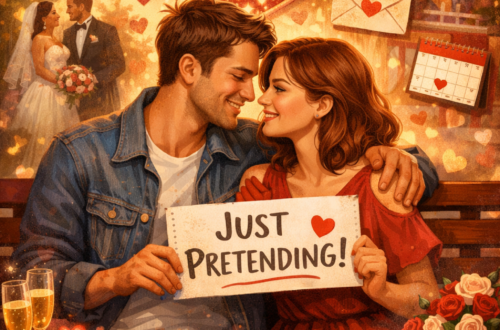
- Fake Relationship: They must pretend to be a couple for a wedding, an inheritance, or some other external reason.
- Survival Situations: Being stranded, trapped, or forced to rely on each other in extreme conditions can break down barriers.
Example: In The Hating Game by Sally Thorne, the main characters are competing for a job promotion, leading to constant clashes and undeniable chemistry.
- The Moment of Change
At some point, their perception of each other must shift. This moment is crucial and should feel organic rather than sudden. It might happen when:
- One character sees the other in a vulnerable moment.
- They realize their assumptions were wrong.
- They work together toward a shared goal.
Example: In Bridgerton (Daphne and Simon’s romance), their fake courtship turns real as they get to know each other beyond their initial impressions.
- Slow-Burn Tension
The best Enemies to Lovers stories don’t rush the romance. Instead, they use slow-burn tension to build anticipation:
- Lingering Glances: The first sign of attraction sneaking through the cracks.
- Touching Without Realizing It: A brush of the hand, helping each other unexpectedly.
- Jealousy or Defensiveness: When one starts caring more than they admit.
Example: In Red, White & Royal Blue, the protagonists start as political rivals but slowly grow closer through stolen moments and growing trust.
- The Grand Gesture or Emotional Breakthrough
By the climax, the characters must fully let go of their animosity and embrace love. This can involve:
- A heartfelt confession.
- A sacrifice that proves their feelings.
- A realization that life without the other isn’t the same.
Example: In 10 Things I Hate About You, based on The Taming of the Shrew, the male lead redeems himself through a grand romantic gesture, proving his love was real.
Tips for Writing a Great Enemies-to-Lovers Romance
✔ Make the conflict believable and not based on shallow reasons. Readers need to understand why the characters dislike each other.
✔ Balance tension and humor. Snarky banter and witty comebacks make interactions engaging.
✔ Ensure growth and redemption. Both characters should evolve through their journey together.
✔ Don’t rush the romance. Let the relationship develop naturally so the payoff feels earned.
✔ Make them equals. Even if they start on opposing sides, they should challenge and complement each other.
Final Thoughts
Enemies to Lovers is a timeless romance trope because it taps into deep emotions—pride, vulnerability, desire, and growth. When done well, it creates an unforgettable love story where characters don’t just fall for each other but transform in the process. If you love high-stakes romance with sizzling chemistry, this is the trope to explore in your next book!
Happy Writing!
Patti


One Comment
Pingback: